Choosing reservation management software is one of the most important technology decisions a campground or RV park owner will make. The system touches almost every part of the operation, from reservations and availability to payments, guest communication, reporting, and the way staff manages the property day-to-day.
This article is the first part of a three-part series on campground reservation software. In this post, we will focus on what a modern reservation system should help you manage. In the next post, we will look at the software providers in the campground and RV park space. In the final post, we will cover how to evaluate those providers and what questions to ask before choosing a system.
What is the difference between a Reservation Management System (RMS) and a Property Management System (PMS)?
Property management software and reservation management software often overlap, but they are not exactly the same. Reservation management software focuses on the booking process, while property management software typically covers a broader set of day-to-day operational workflows across the property. Your needs mainly depend on the size of your campground/park and the number of staff you employ. More sites and staff likely create more need to help you manage sites & staffing.
- Reservation management software typically helps manage availability, bookings, rates, guest details, deposits, cancellations, online reservations, and booking confirmations.
- Property management software usually includes reservation management, but may also support housekeeping, maintenance, work orders, staff tasks, guest communication, payments, reporting, owner management, POS, utilities, and other operational workflows.
What to look for? What needs do you have?
The right system depends less on the number of features listed on a website and more on whether the software matches the way your campground or RV park actually runs.
Inventory and site management
Campground inventory is more complicated than hotel rooms. Sites and units often have different sizes, hookups, rules, access, views, shade, surfaces, and vehicle restrictions.
A reservation system should help you manage the details that matter for your property, including RV sites, tent sites, cabins, glamping units, seasonal sites, group areas, storage, day use, and other bookable inventory. It should also make it easy for staff to understand what is available, what can be booked, and which site or unit is the right fit for a guest.
Reservation workflows
At the center of the system is the reservation workflow. This includes how bookings are created, changed, moved, extended, canceled, and paid for.
For campgrounds and RV parks, this can include nightly stays, weekly stays, monthly stays, seasonal stays, split stays, group bookings, deposits, balances, refunds, guest credits, promo codes, minimum nights, holiday rules, and add ons.
The goal is not just to take reservations. The goal is to make common reservation changes easier for staff and clearer for guests.
Online booking experience
A modern reservation system should support a guest experience that feels clear, fast, and trustworthy.
Guests should be able to see availability, understand pricing, choose the right site or unit, review rules, add extras, pay securely, and receive helpful confirmation details. For many properties, the online booking flow is now one of the most important parts of the guest experience.
A better booking experience can also reduce phone calls, prevent confusion, and help guests feel more confident before they arrive.
Payments and financial workflows
Reservation software often becomes a major part of how money moves through the business.
Important workflows can include deposits, partial payments, refunds, stored cards, guest credits, recurring billing, utility billing, taxes, payment reports, accounting exports, and reconciliation. Even when these features are not visible to guests, they can have a significant impact on the workload of owners, managers, and front desk teams.
Guest communication
Campgrounds need to communicate with guests before, during, and after their stay.
A reservation system may help with confirmation emails, pre arrival instructions, balance reminders, check in details, policy reminders, SMS messages, post stay follow ups, review requests, and property wide updates.
This matters because many guest issues come from unclear information. Better communication can reduce repetitive questions and help guests arrive more prepared.
Operations beyond the booking calendar
For some properties, reservation software is only part of the broader operating system.
Depending on the property, owners may also want tools for housekeeping, maintenance, work orders, staff permissions, waivers, digital signatures, retail POS, food and beverage, gate access, meter readings, owner statements, reporting, and multi property management.
Not every campground needs all of these features. The important part is knowing which operational workflows are essential for your property and which would only add unnecessary complexity.
Reporting and visibility
A good reservation system should help owners understand what is happening across the property.
Useful reports may include occupancy, revenue, site type performance, booking pace, cancellation trends, guest history, channel mix, taxes, payments, deposits, long-term stays, and add-on revenue.
The most useful reporting is not just about looking backward. It should help operators make better decisions about pricing, staffing, inventory, marketing, and future demand.
Integrations and distribution
Reservation software rarely operates alone. It often connects to a property website, payment processor, accounting system, email or SMS tools, OTA channels, marketplaces, access control, POS, or other operational tools.
The level of connectivity can vary significantly by provider. Some integrations are built in. Some require additional fees. Some require manual exports or workarounds. This is one of the reasons it is useful to understand the market before choosing a system.
The main takeaway
Campground reservation software should help owners manage the real complexity of outdoor hospitality. That includes reservations, inventory, rates, guests, payments, communication, reporting, and day-to-day operations.
The right system is not always the one with the longest feature list. It is the one that fits how your property runs, supports the workflows your team depends on, and creates a better booking experience for your guests.
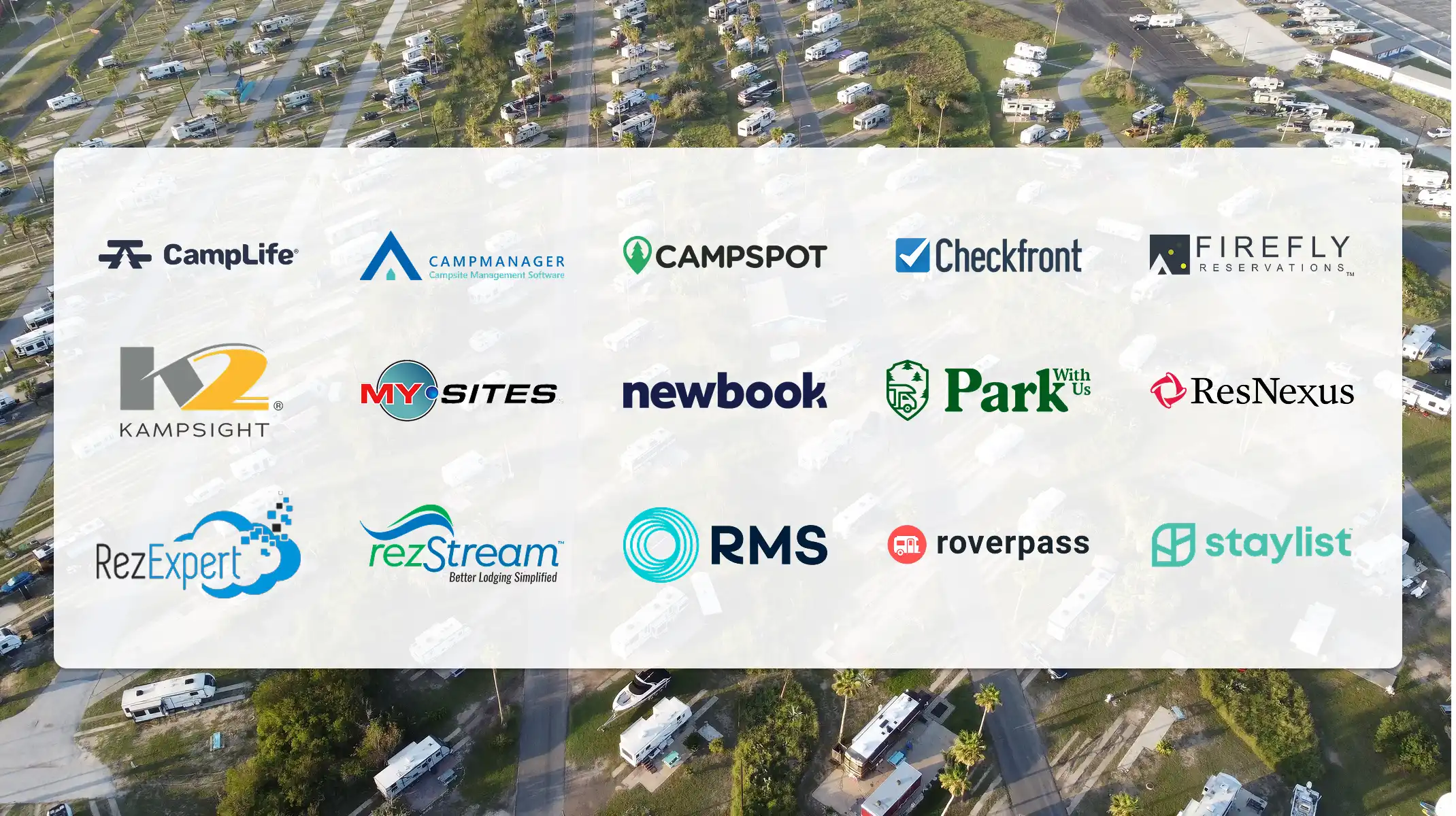
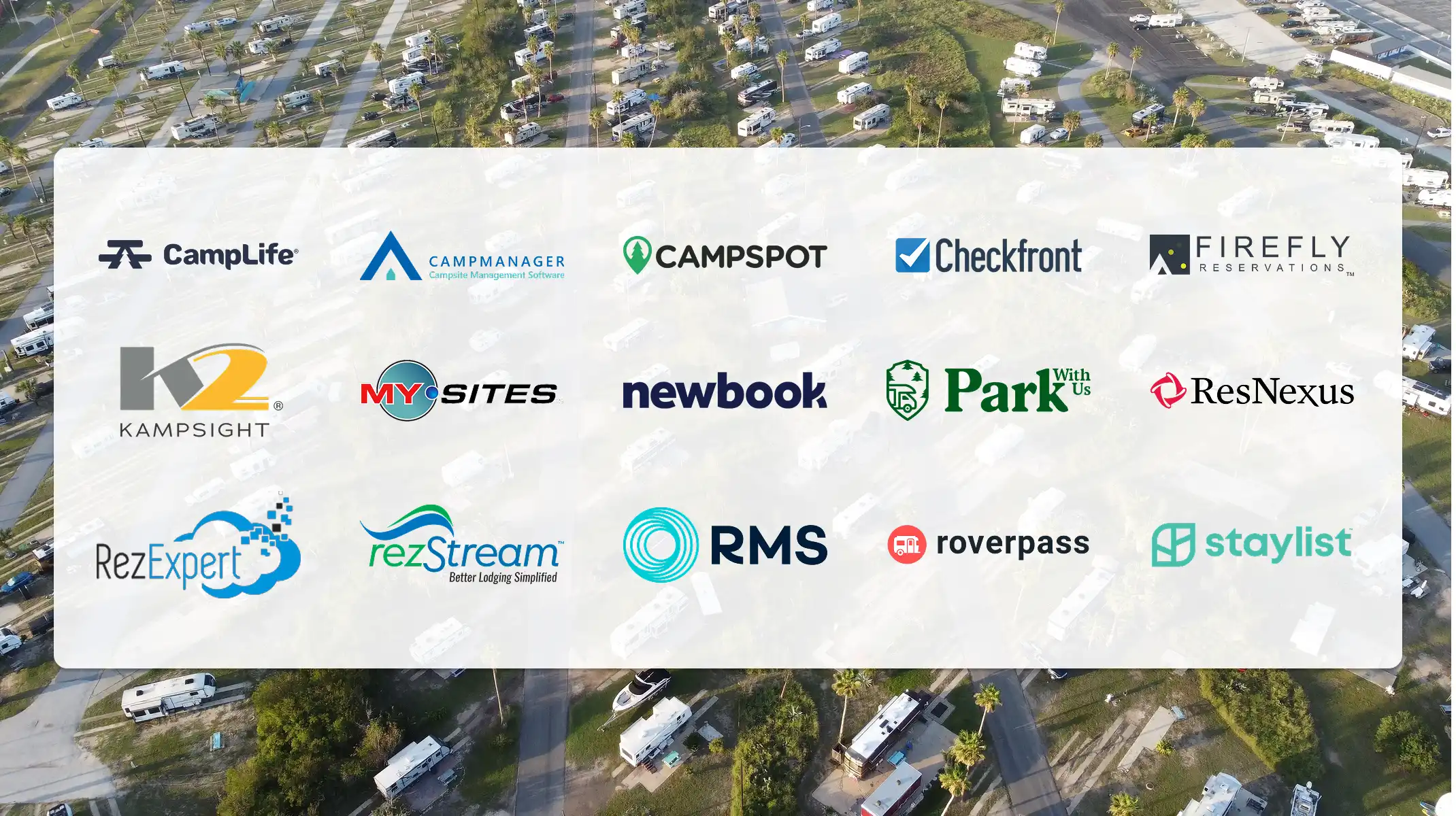
In the next part of this series, we will look at the campground and RV park software providers in the market, including platforms built specifically for outdoor hospitality and broader property management systems that also serve this space.

Martijn Scheybeler
Founder & CEO OutReserve